In the electrical industry, the efficiency of transformers is vital. One key factor influencing this efficiency is the cutting of silicon steel. "How does silicon steel cutting affect transformer efficiency?" is a question many engineers seek to understand. John Simmons, a leading expert in transformer design, emphasizes, "Precision in silicon steel cutting can dramatically enhance energy conservation."
The cutting process directly impacts the magnetic properties of silicon steel. Inaccurate cuts can lead to air gaps that hamper performance. These gaps result in energy loss and increased heat generation. Moreover, proper cutting techniques ensure that the silicon steel's magnetic attributes remain intact. This is crucial for minimizing losses during operation.
Engineers often face challenges in maintaining precision during cutting. Even minor errors can have significant consequences. Reflecting on this, it becomes clear that the art of cutting silicon steel is as important as the material itself. Understanding how cutting affects efficiency is essential for enhancing transformer performance and longevity.
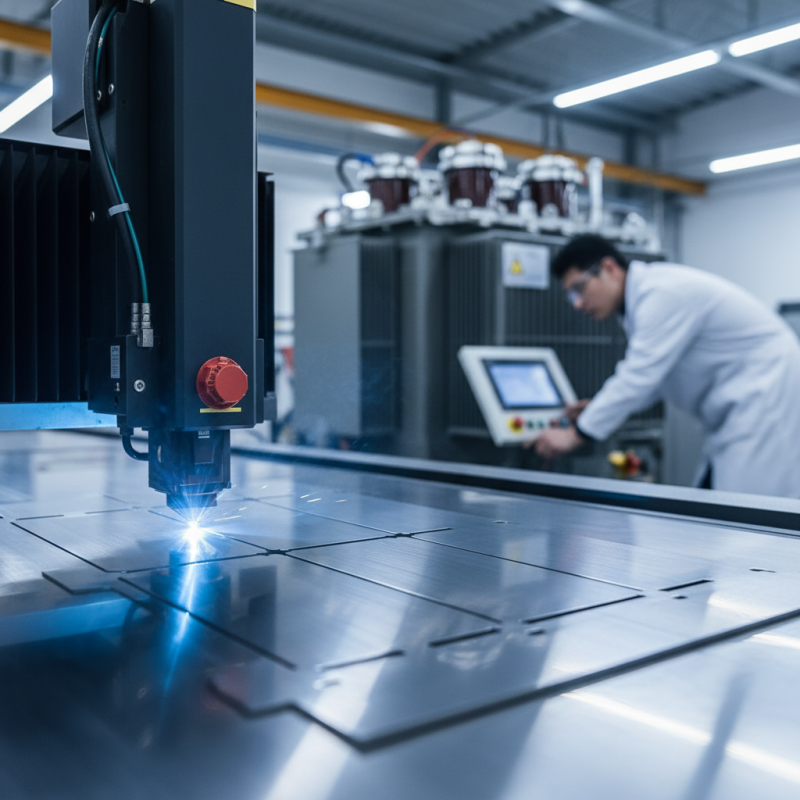
Silicon steel cutting plays a crucial role in transformer efficiency. The quality of silicon steel directly influences core losses during operation. A recent report by the International Energy Agency highlighted that improving core materials can enhance efficiency by up to 15%. This is significant, given that energy losses in transformers can account for nearly 5% of electricity generated globally.
Several factors affect transformer efficiency during the silicon steel cutting process. Thickness and grain orientation of the steel impact magnetic properties and losses. Proper cutting techniques can minimize burrs and improve the overall finish, which is vital for better performance. Inadequate cutting may create defects, increasing energy waste. An industry study showed that a 1% increase in cutting precision can lead to a 0.5% improvement in overall transformer efficiency.
However, achieving the ideal cutting precision remains a challenge. Many manufacturers struggle with maintaining consistent quality throughout the production process. Variability in raw material properties can lead to inconsistent performance. Regular quality assessments and process audits are essential. These methods ensure tighter controls over production variations, ultimately benefiting transformer efficiency.
Silicon steel is a critical material in transformer design. It provides excellent magnetic properties that enhance energy efficiency. According to the Electric Power Research Institute, using silicon steel can reduce energy losses by up to 30%. This significant improvement stems from its high electrical resistivity, minimizing eddy currents and hysteresis losses.
In transformer design, the selection of silicon steel grades plays a crucial role. High-grade silicon steel can impact the overall size and weight of transformers. A report from the International Electrotechnical Commission highlights that advanced silicon steel can lead to lighter transformers with the same performance specifications. However, manufacturers must consider production costs and material availability. Not all grades of silicon steel offer the same benefits.
Moreover, improper cutting techniques can degrade silicon steel's performance. Precision in cutting is vital to maintain the magnetic properties. Even slight misalignments during cutting can cause inefficiencies. In some cases, manufacturers overlook necessary adjustments. This oversight can lead to suboptimal transformer operation. Reducing these inefficiencies requires a balance between cost-effective production and performance reliability.
| Parameter | Value | Impact on Efficiency |
|---|---|---|
| Silicon Content (%) | 2.5 - 3.5 | Improves magnetic permeability |
| Thickness of Steel Sheet (mm) | 0.35 - 0.5 | Reduces core losses |
| Cutting Angle (Degrees) | 45 - 90 | Affects magnetization performance |
| Electrical Resistivity (μΩ·m) | 50 - 70 | Minimizes eddy current losses |
| Processing Temperature (°C) | 1200 - 1300 | Enhances magnetic properties |
Transformers play a crucial role in electrical systems, and silicon steel cutting significantly impacts their efficiency. The cutting process influences the magnetic properties of the material. Altered grain structure can lead to increased iron loss, which ultimately reduces energy efficiency. When silicon steel is cut, the edges may become rough, creating a decline in the overall magnetic performance. This adverse effect can lead to overheating, if not properly managed.
To minimize these losses, attention to detail during the cutting process is vital. Ensure that the cutting tools are sharp and well-maintained. A clean cut reduces the risk of irregularities that could cause energy loss. Additionally, consider the cutting angles and methods used. Techniques such as laser cutting or waterjet cutting can produce smoother edges, reducing the potential for losses.
Evaluating and optimizing the cutting parameters can lead to better transformer performance. Regular inspections of the cutting equipment are necessary to maintain quality. However, these steps aren't foolproof; there's always a chance for mistakes in execution. Continuous learning and adaptation in cutting processes remain essential, fostering improvements in transformer efficiency over time.
Silicon steel is crucial in transformer design, impacting efficiency significantly. The cutting process of this material directly influences performance. Precision in cutting techniques is vital. According to industry studies, optimal cutting can reduce energy losses by up to 2%. This reduction plays a critical role in enhancing overall transformer efficiency.
Techniques for optimizing silicon steel cuts include laser cutting and precision machining. Laser cutting minimizes material waste and provides clean edges. These techniques allow for tighter tolerances. This leads to less hysteresis loss during operation. However, many manufacturers still face challenges with variations in cut quality. This inconsistency can cause inefficiencies that compromise energy performance.
Regular calibration and maintenance of cutting tools are essential. A well-maintained tool ensures that cuts remain consistent. Regular inspections can highlight issues that might otherwise be overlooked. According to recent data, 25% of transformers underperform due to inadequate cutting techniques. Emphasizing continuous improvement in cutting methods can significantly enhance transformer reliability and efficiency.
The surface finish of silicon steel plays a crucial role in transformer performance. A smooth finish reduces energy losses. When the surface is rough, the magnetic flux faces impediments. This can lead to increased heat generation within the transformer.
Manufacturers often overlook the significance of coating methods. A poorly applied coating can result in uneven surfaces. Such imperfections may cause vibrations during operation. This can create unnecessary stress on components, ultimately affecting efficiency. Transforming energy into usable power requires precision in every detail.
Understanding how different finishes impact magnetic properties is essential. For instance, a polished surface tends to minimize eddy current losses. These losses can significantly affect overall performance. Regular assessments of surface quality can lead to better operational outcomes. Innovating treatment techniques might hold the key to enhanced transformer effectiveness.
: Silicon steel enhances magnetic properties, boosting energy efficiency. It can reduce energy losses by up to 30%.
High-grade silicon steel can lead to lighter transformers without compromising performance. Cost and material availability are factors too.
Improper cutting can degrade performance. Misalignments in cutting cause inefficiencies and potential overheating issues.
The cutting alters the grain structure, potentially increasing iron loss. Rough edges may reduce overall magnetic performance.
Sharp tools and clean cuts help. Techniques like laser cutting produce smoother edges, reducing energy loss potential.
Regular checks maintain quality and consistency in cuts. Poor tool maintenance can lead to 25% of transformers underperforming.
Variations in cut quality are common, leading to inefficiencies. Continuous improvement in methods is needed but often overlooked.
Optimal cutting can reduce energy losses by up to 2%. This minor improvement significantly impacts transformer performance.
The article "How Silicon Steel Cutting Affects Transformer Efficiency Tips" explores the significant relationship between silicon steel cutting and transformer efficiency. It highlights various factors that influence efficiency, including the essential role of silicon steel in transformer design and the mechanisms by which cutting practices affect iron loss. Notably, the piece delves into how does silicon steel cutting affect transformer efficiency by outlining techniques for optimizing cuts and emphasizing the impact of surface finish on overall performance.
By understanding these elements, engineers and manufacturers can enhance transformer efficiency, ultimately leading to improved energy management and operational effectiveness. The insights provided serve as a guide for optimizing silicon steel cuts to achieve superior transformer performance, focusing on the critical aspects of design and production processes.

Stylo Laser