Laser cutting has revolutionized manufacturing processes, particularly in minimizing material deformation. The precision of laser technology allows for controlled heat application, which is crucial for reducing warping and other forms of deformation. Recent studies indicate that laser cutting can reduce material distortion by up to 50% compared to traditional cutting methods. This reduction is essential for maintaining process efficiency and product integrity.
Understanding how does laser cutting reduce material deformation involves recognizing the impact of heat zones. Unlike conventional methods, laser cutting generates a narrow heat-affected zone (HAZ). This characteristic preserves the mechanical properties of the material. According to the American Society for Metals, precise heat management results in minimal thermal stress, which directly correlates to reduced deformation.
Despite its benefits, there are challenges with laser cutting. The setup requires thorough calibration, and operator expertise is vital. An improperly configured laser can lead to unintended outcomes, including excessive deformation. Thus, ongoing training and understanding of laser parameters are critical for leveraging its full potential in industry applications.
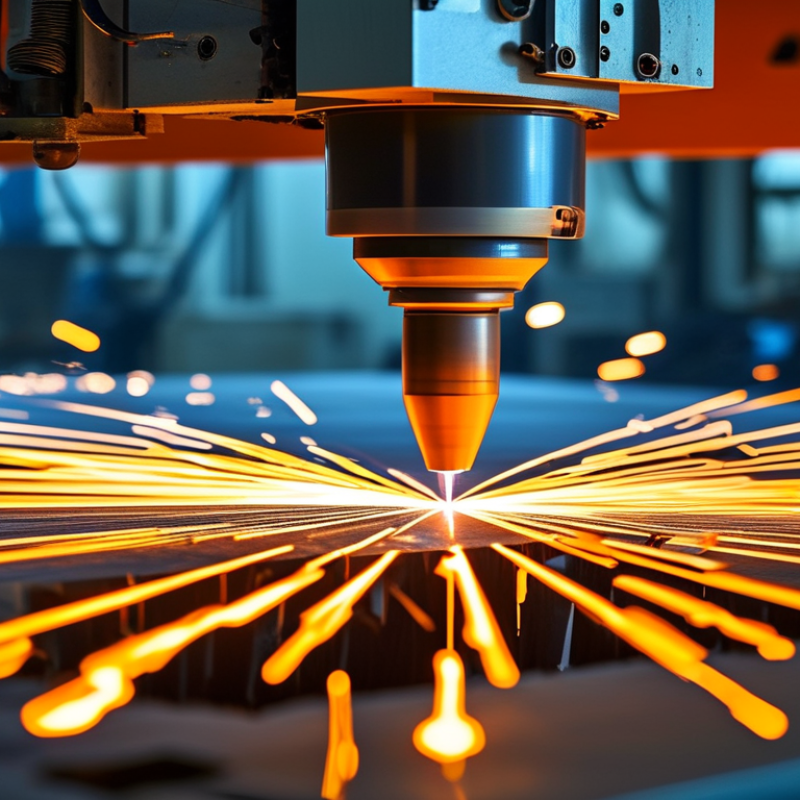
Laser cutting technology has revolutionized manufacturing by offering precision and speed. This process focuses laser beams onto materials, allowing manufacturers to achieve intricate designs with minimal deformation. In aerospace and automotive sectors, laser cutting enhances efficiency, ensuring that parts meet stringent specifications.
Recent studies indicate that laser cutting can reduce material waste by up to 30%. High precision minimizes the need for additional machining, saving both time and resources. Industries that require fine tolerances, such as electronics, greatly benefit. However, the initial investment in laser cutters can be substantial. This might pose a dilemma for small businesses or startups.
Tip: Ensure proper maintenance of equipment. Regular checks can prevent costly downtimes and ensure consistent cutting quality.
In conclusion, while the benefits of laser cutting are significant, it’s vital to assess the long-term viability. Consistent training for operators is essential to harness the full potential of this technology. Being cautious about production scalability can provide insights for future expansion.
This chart illustrates the amount of material deformation observed in various materials when subjected to laser cutting. Compared to traditional cutting methods, laser cutting demonstrates significantly lower deformation in materials such as Acrylic and Plastic, highlighting its efficiency in precision applications.
Laser cutting is a refined technique that relies on the principles of heat transfer to minimize material deformation. This method uses a focused beam of light to melt or vaporize materials with precision. As the laser cuts through, it generates localized heat in the targeted area. This heat concentration allows for quick cuts, which help in limiting the amount of thermal energy that spreads to adjacent areas. Consequently, less heat means reduced distortion and warping of the material.
The interaction between the laser and the material plays a critical role in achieving clean edges. Different materials react differently to laser energy. Metals, for instance, require careful calibration of the laser settings to avoid unwanted changes in texture. Improper settings can lead to excessive heat input, causing warping. Conversely, too little heat may result in incomplete cuts. Therefore, expertise and knowledge of material properties are essential for optimal results. Understanding these dynamics allows engineers to tailor processes to specific materials, enhancing both efficiency and quality.
| Material Type | Laser Power (W) | Cutting Speed (mm/min) | Kerf Width (mm) | Heat Affected Zone (HAZ) (mm) | Deformation Minimized (%) |
|---|---|---|---|---|---|
| Mild Steel | 1200 | 800 | 0.15 | 1.5 | 10 |
| Aluminum | 1500 | 1000 | 0.12 | 1.0 | 5 |
| Stainless Steel | 2000 | 600 | 0.18 | 2.0 | 8 |
| Titanium | 2500 | 400 | 0.20 | 2.5 | 7 |
Laser cutting stands out compared to traditional cutting methods due to its precision. Traditional methods often exert pressure on materials, leading to deformation. In contrast, laser cutting uses focused beams of light, minimizing this risk. The heat generated by lasers vaporizes the material rather than crushing it. This process retains the material's integrity, creating cleaner edges.
Moreover, laser cutting is adaptable. It can handle various materials like metals, plastics, and composites. Traditional methods often require physical adjustments and can be limited by tool wear. Laser systems, however, adjust automatically, making them more reliable over time. Nevertheless, there are factors to consider. The initial setup for laser cutting can be more complex.
Despite its advantages, some high-precision jobs might still encounter slight variances. Factors such as power settings and speed can affect outcomes. Not every operator has the same level of expertise. Training is essential for optimal results. Each method has its context where it excels. Understanding these nuances is crucial for making informed decisions.
Laser cutting is known for its precision and efficiency, but material deformation remains a challenge. Various factors influence this deformation during the cutting process. Heat is a significant contributor. When the laser beam interacts with the material, it generates heat, potentially leading to warping. A study by the American Society of Mechanical Engineers shows that temperatures can soar above 2000°C near the cutting surface. This high heat can compromise the integrity of metals, especially those with lower melting points.
Another important factor is the cutting speed. Slower speeds can increase heat accumulation, intensifying deformation risks. Conversely, too fast a cut can lead to rough edges and stress points. A balance is critical. Reports indicate that an optimal speed range between 1 to 3 meters per minute can minimize these issues for commonly used materials. Monitoring other variables like assist gas pressure also plays a role in reducing deformation.
Tip: Always test different settings on scrap material before undertaking your main project. Observing the effects of varying heat and speed helps identify the best approach.
Another consideration is the material's thickness. Thicker materials will absorb more heat, increasing the likelihood of warping. The selection of materials greatly impacts outcomes. It’s vital to choose materials known for their lower thermal expansion coefficients to minimize deformation.
Tip: Consult technical datasheets for properties like thermal conductivity. This knowledge can guide you in selecting materials that perform well under laser cutting.
Laser cutting is known for its precision. However, minimizing material deformation is a challenge. There are several techniques that can be employed to address this issue effectively.
One method is controlling the cutting speed. Slower cutting speeds can reduce thermal stress. Additionally, using a focused laser beam minimizes heat-affected zones. This helps in retaining material integrity. Another technique involves optimizing the gas assist pressure. Proper gas flow can cool the material during cutting, reducing warping and distortion. It’s important to find the right balance in settings. Improper adjustments may lead to unexpected results.
Lastly, employing a dual-beam approach can help. This technique utilizes two lasers to balance heat input. Nonetheless, it requires careful calibration. Each laser's position must be precise to avoid errors. These techniques demand experience and expertise from operators. Continuous learning and experimentation are essential to refine these methods. Ultimately, striving for better results can lead to inconsistencies. Awareness of potential pitfalls is vital.
: Heat generated by the laser beam is a significant contributor to material deformation.
Slower cutting speeds can increase heat accumulation, while faster speeds may cause rough edges.
Reports suggest maintaining a speed between 1 to 3 meters per minute for best outcomes.
Thicker materials absorb more heat, increasing the risk of warping during the cutting process.
Using a focused laser beam can help minimize heat-affected zones and maintain material integrity.
Proper gas flow can cool the material, reducing the risk of warping and distortion.
Testing on scrap material can help identify the best heat and speed settings for your project.
Choose materials with lower thermal expansion coefficients to minimize deformation during cutting.
Precise calibration is necessary; errors in positioning can lead to unexpected results.
Continuous learning can refine techniques but may also lead to inconsistencies if not carefully managed.
Laser cutting technology has revolutionized the manufacturing landscape by offering precise and efficient cutting solutions. This technology primarily operates on the principles of focused laser beams that generate high temperatures, allowing for accurate cuts with minimal contact and heat-affected zones. Compared to traditional cutting methods, laser cutting significantly reduces mechanical stress on materials, which leads to lower deformation rates.
In understanding how laser cutting reduces material deformation, it is crucial to consider various factors such as laser parameters, material types, and cutting speeds. Implementing techniques like controlled cooling and optimizing laser settings can further enhance the reduction of deformation during the cutting process. Overall, the ability of laser cutting to minimize material deformation effectively positions it as a preferred choice for many industrial applications, showcasing its advantages over conventional methods.

Stylo Laser